Citizen Science Tree Diaries: Health Logs Paired with Personal Memories
Roots, Rings, and Neighborhood Routines

What to Note in a Health Log
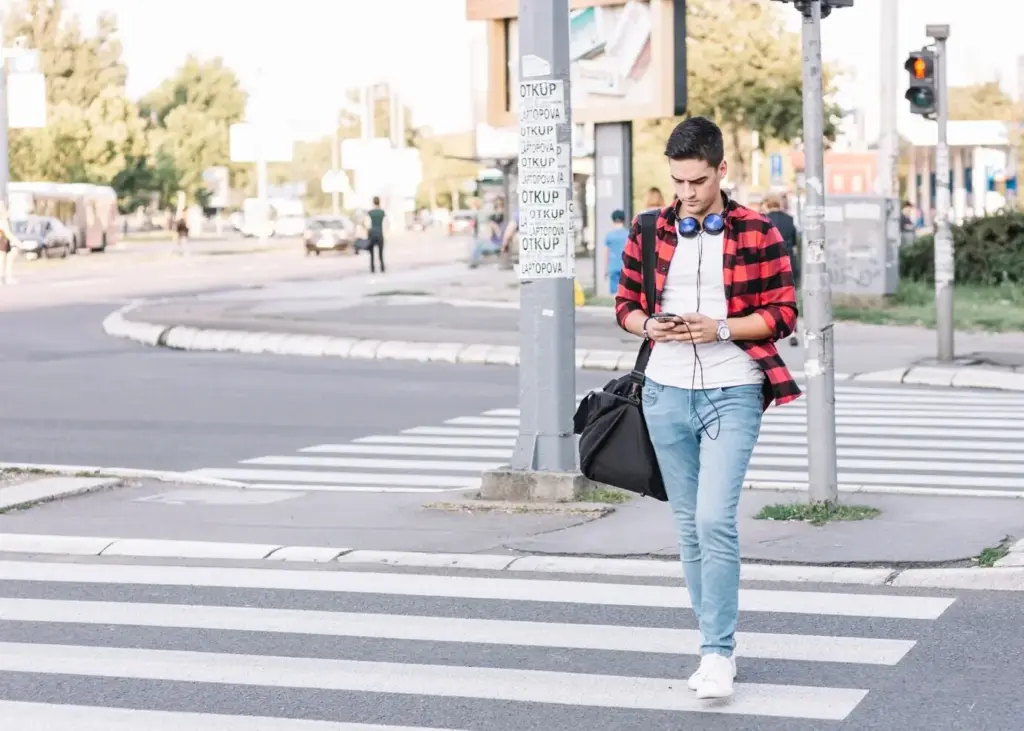
Turning Walks Into Observational Rituals
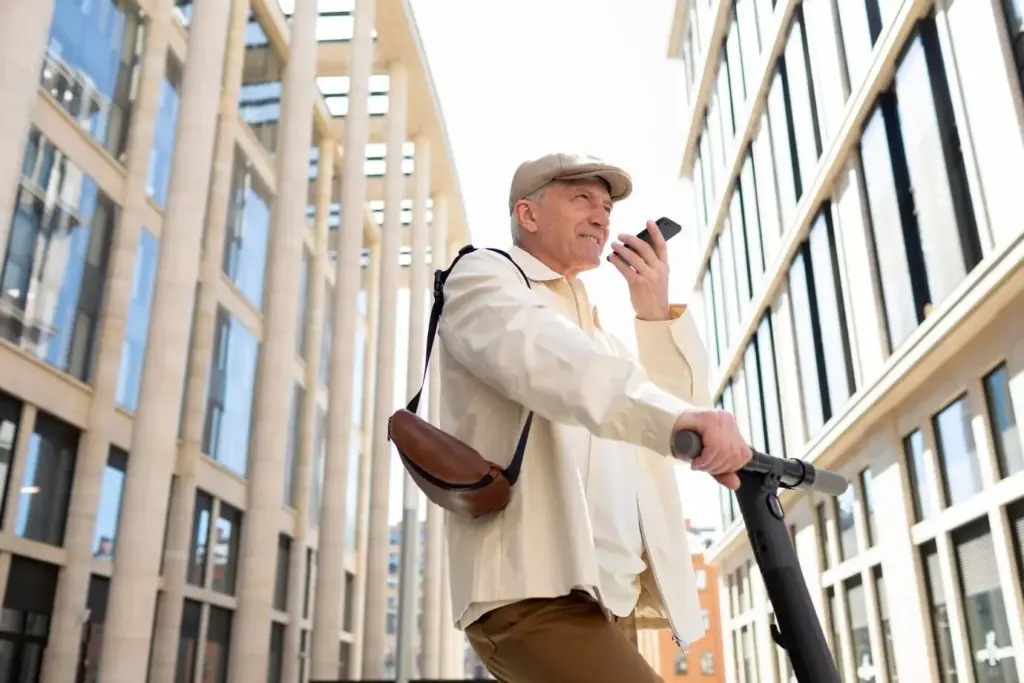
From Clipboard to Cloud
First Day of School Under a Maple
Grandparent Bench Conversations
Simple Science, Honest Metrics
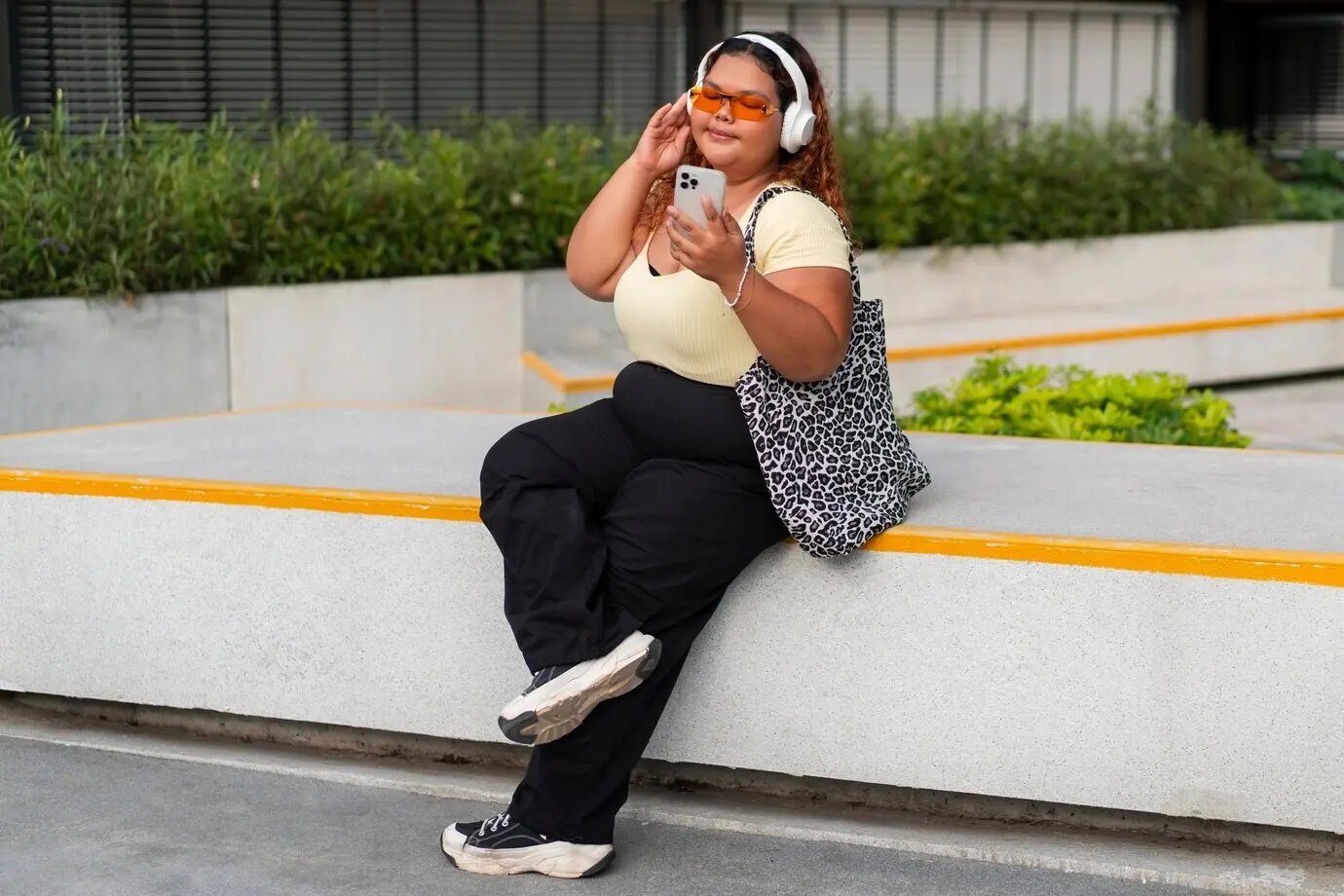
Sharing Responsibly and Respectfully

Geotags with Care
Consent Around Homes and Schools

Safety Among Branches and Streets
From Backyard Notes to City Action
Patterns City Planners Notice
Clusters of crown dieback may align with heat islands, construction dust, or constrained roots. Sharing consistent notes across neighborhoods turns anecdotes into evidence that supports shade corridors near bus stops, cooling schoolyards, and drought-hardy selections, showing decision-makers how lived experience aligns with practical maintenance and equity goals.
Inviting Schools and Libraries
Classrooms can adopt nearby trees, log phenology, and host story circles with caregivers. Libraries may lend meters, clipboards, and books, turning quiet corners into bustling hubs for seasonal walks. Intergenerational activities elevate curiosity, improve data reliability, and strengthen friendships anchored in shared places that everyone can reach on foot.
Seasonal Challenges and Community Response
Summer drought, winter salt, spring pests, and autumn storms each leave signatures. By pooling observations, neighbors coordinate watering days, protective burlap wraps, or quick pruning requests. Local action backed by records inspires confidence, reduces waste, and transforms maintenance from sporadic crisis response into predictable, caring routines people can trust.
Join the Canopy Conversation